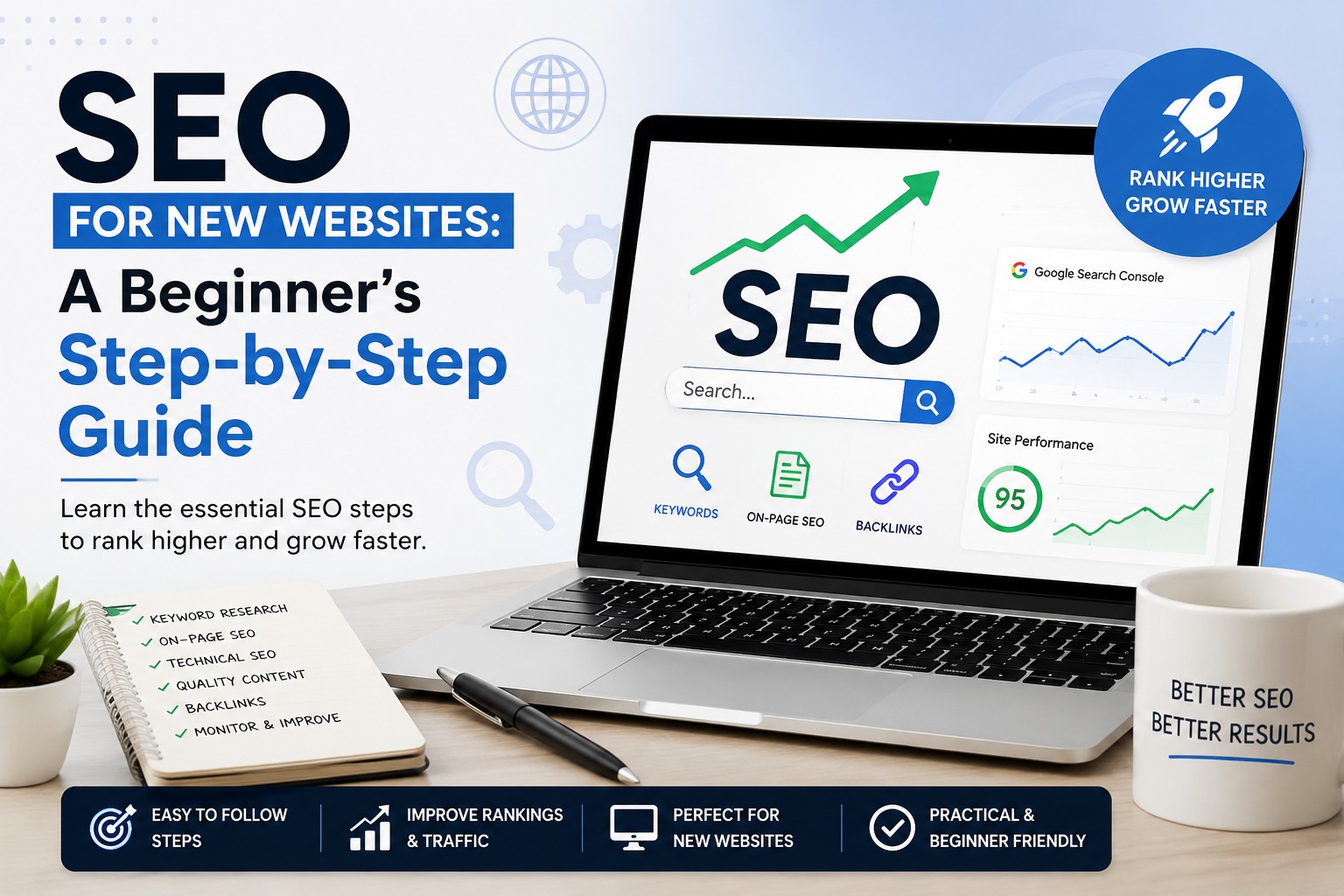
Learn how to get more traffic to your website with SEO, keyword research, content marketing, and proven strategies to attract visitors and grow your online presence.
Getting traffic to a website is one of the biggest challenges for beginners starting their online journey. You may have a well-designed website and useful content, but without visitors, it can be difficult to grow your online presence. Whether you have a new blog, a business website, or a personal website, attracting the right audience is essential for success.
The good news is that you don’t always need to spend money on advertisements to get more visitors. With the right SEO strategies, keyword research, high-quality content, and social media marketing, you can gradually increase your website traffic and reach more people.
In this guide, we will explore how to get more traffic to your website, the best ways to attract visitors, and practical strategies beginners can use to grow their website organically.
Website traffic refers to the number of visitors who visit a website and the activities they perform while browsing its pages. Every time someone visits your blog, reads an article, explores your products, or checks your services, it contributes to your website traffic. For beginners, understanding website traffic is an important step toward learning how to get more traffic to your website and grow an online presence.
Whether you own a personal blog, a business website, an online store, or a portfolio, visitors are essential for reaching your goals. A website can have an attractive design and useful content, but without people visiting it, your content may not reach the audience you want. This is why increasing website traffic is one of the main goals of many website owners and digital marketers.
In this section, we will understand what website traffic means, why website visitors are important, and the difference between organic traffic and paid traffic.
What Does Website Traffic Mean?
Website traffic means the visits and visitors a website receives over a particular period. It helps website owners understand how many people are discovering their website and how they interact with its content.
For example, imagine you have a blog about digital marketing for beginners. You publish an article titled “How to Get More Traffic to Your Website.” If 100 people visit your blog and read the article, your website has received traffic from those visits.
However, website traffic is not only about the number of people visiting your website. It also includes information such as where visitors come from, which pages they visit, and how long they stay.
Important Website Traffic Metrics
Understanding basic traffic metrics can help you measure your website’s performance.
1. Users
Users represent the people who visit your website. Depending on the analytics platform and reporting method, this can refer to unique or active users.
2. Sessions
A session is a group of interactions a visitor has with your website during a period of activity. One person can have multiple sessions.
3. Pageviews
Pageviews measure the number of times pages on your website are viewed. If someone visits three different pages, those views contribute to your pageview count.
4. Traffic Sources
Traffic sources tell you where your visitors come from. They may discover your website through Google, social media, another website, or a paid advertisement.
By monitoring these metrics, you can understand how visitors interact with your website and identify opportunities to improve your content.
Why Is Website Traffic Important?
Website traffic is important because it helps your content, products, or services reach more people. More visitors can create opportunities for engagement, leads, sales, and long-term growth. However, getting more traffic does not automatically guarantee success. The quality and relevance of your visitors also matter.
Here are some important reasons why website traffic is valuable.
1. Helps More People Discover Your Website
The first benefit of increasing website traffic is that more people can discover your online presence. If you have recently started a blog or launched a new website, attracting visitors can help you reach your target audience.
For example, if you write articles about SEO, visitors searching for digital marketing information may discover your blog through search engines. When your content answers their questions, they may return to read more articles.
This is why learning how to get more visitors to your website is important for beginners.
2. Increases Brand Awareness
Website traffic can help people become familiar with your brand, blog, or business. When visitors repeatedly see your content, they may begin to recognize your website and remember what you offer.
For example, a website that regularly publishes helpful articles about fashion, beauty, or digital marketing can gradually build recognition among its audience.
Consistent content and a clear website identity can help create a stronger online presence.
3. Creates Opportunities to Earn Money
For many website owners, increasing website traffic is an important part of earning money online.
A website can generate income through different methods, such as:
- Selling products or services.
- Affiliate marketing.
- Display advertising.
- Sponsored content.
- Selling digital products or courses.
For example, a blog about digital marketing may recommend useful tools through affiliate links. If visitors make qualifying purchases through those links, the website owner may earn a commission, depending on the affiliate program.
However, traffic alone does not guarantee income. Visitors must be interested in what the website offers, and the monetization method must be suitable for the audience.
4. Helps You Understand Your Audience
Website traffic data can help you understand what your visitors are interested in.
For example, suppose you publish five blog posts:
- What Is SEO?
- How to Get More Traffic to Your Website
- What Is Keyword Research?
- How to Use Canva
- What Is Social Media Marketing?
If one article receives significantly more visitors than the others, it may indicate that the topic is attracting more interest. You can use this information to plan related content.
Analytics tools can also show which pages receive traffic, where visitors come from, and how they interact with your website.
5. Supports Business Growth
For a business website, visitors can become potential customers. When people search for a product or service and find your website, they may contact your business, request information, or make a purchase.
For example, a local cafe can attract visitors by publishing useful content about its menu, location, and services. People searching for cafes in that area may discover the website through Google.
This is one reason why businesses focus on website traffic generation strategies.
What Is Organic Traffic?
Organic traffic refers to visitors who reach your website through unpaid search engine results.
For example, someone searches Google for “how to increase website traffic.” They click on your blog post from the unpaid search results and visit your website. That visit is considered organic search traffic.
Organic traffic is closely connected to Search Engine Optimization (SEO). SEO helps search engines understand your content and can improve your chances of appearing in relevant search results.
How to Increase Organic Traffic
Some common ways to increase organic traffic include:
- Performing keyword research.
- Creating helpful, high-quality content.
- Optimizing title tags and meta descriptions.
- Using relevant headings.
- Improving website speed and mobile usability.
- Adding internal links.
- Earning relevant backlinks.
Organic traffic can be valuable because it may continue bringing visitors after content is published. However, SEO takes time, and search rankings are not guaranteed.
What Is Paid Traffic?
Paid traffic refers to visitors who reach your website through advertisements or other paid promotional campaigns.
For example, a business may run a Google Ads campaign for the keyword “digital marketing course.” When someone clicks the advertisement and visits the website, that visit is paid traffic.
Paid traffic can help businesses reach an audience quickly, depending on the campaign, budget, targeting, and competition.
Common Sources of Paid Traffic
- Google Ads.
- Facebook and Instagram Ads.
- YouTube Ads.
- Display advertising.
- Sponsored online promotions.
Paid traffic can be useful when launching a product, promoting a service, or attracting visitors to a new offer.
Organic Traffic vs Paid Traffic
The main difference between organic and paid traffic is how visitors reach your website.
| Feature | Organic Traffic | Paid Traffic |
|---|---|---|
| Cost | No direct payment for each organic click | Usually requires an advertising budget |
| Main source | Unpaid search results | Advertisements |
| Main strategy | SEO and content marketing | Paid advertising |
| Speed | Can take time to build | Can start generating visits when campaigns run |
| Long-term value | Can continue after publishing content | Usually depends on ongoing campaigns |
Both methods can be useful. Many website owners combine SEO and paid advertising to attract visitors and grow their online presence.
How Long Does It Take to Increase Website Traffic?
There is no fixed amount of time required to increase website traffic. The results can vary depending on your website’s age, competition, content quality, SEO strategy, keyword difficulty, and how consistently you publish and promote your content. A new website may take several months to build noticeable organic traffic, while an established website with strong SEO authority may see improvements more quickly.
If you are starting a new website, it is important to be patient and focus on creating a strong foundation. Search engines need time to discover, crawl, index, and evaluate your content. Publishing one or two articles does not usually lead to a large increase in visitors immediately. Instead, consistently publishing useful and well-optimized content can help your website gradually gain visibility.
How SEO Affects Website Traffic Growth
SEO is one of the most effective ways to increase organic traffic, but it is a long-term strategy. Your pages may initially appear low in search results, especially when you are targeting competitive keywords. As your website gains useful content, backlinks, and authority, some pages may gradually move higher in search results and attract more visitors.
For beginners, targeting relevant keywords with lower competition can sometimes help a new website gain visibility more easily. You should also optimize your titles, headings, meta descriptions, internal links, and content while making sure that your articles provide genuine value to readers.
How to Increase Website Traffic Faster
Although there is no guaranteed shortcut, you can give your website more opportunities to attract visitors by using several strategies together. Publish high-quality content regularly, promote your articles on social media, improve your SEO, build relevant backlinks, and update older content when necessary.
You can also use paid advertising if you want to generate website visits while your organic traffic is still developing. However, paid traffic usually stops when you stop running the advertisements, whereas successful SEO can continue bringing organic visitors over time.
Instead of focusing only on how quickly you can get more traffic to your website, focus on building sustainable traffic. Track your visitors using analytics tools, identify which pages perform well, and create more content around topics that your audience is searching for.
For a new website, consistent effort is more important than expecting immediate results. As your content library grows and your SEO improves, your website can gradually attract more visitors and build a stronger online presence.
Conclusion
Website traffic is an important part of building a successful online presence. It helps people discover your content, increases brand awareness, creates opportunities to earn money, and supports business growth.
If you are a beginner wondering how to get more traffic to your website, understanding organic and paid traffic is a great starting point. Organic traffic focuses on SEO and helpful content, while paid traffic uses advertisements to attract visitors.
In the next section, we will explore practical ways to increase website traffic, improve your online visibility, and attract the right audience to your website.