Performance monitoring is the process of continuously tracking, measuring, and analyzing the performance of a person, employee, business, website, marketing campaign, application, system, or organization. It helps identify whether goals and objectives are being achieved effectively. Performance monitoring uses different metrics, key performance indicators (KPIs), reports, and analytics tools to understand what is working well and what needs improvement.
In simple words, performance monitoring means checking performance regularly to make better decisions and improve results. It is an important part of business management, digital marketing, SEO, social media marketing, website management, and many other fields.
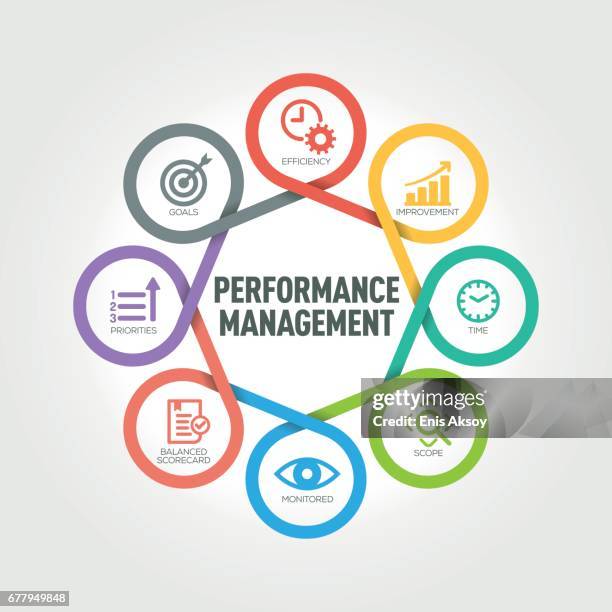
Importance of Performance Monitoring
Performance monitoring is important because businesses and organizations need accurate information to understand their progress. Without monitoring, it can be difficult to know whether a particular strategy is successful or not.
For example, if a company runs a digital marketing campaign, it cannot simply assume that the campaign is successful because advertisements are receiving views. It should monitor metrics such as clicks, conversions, cost per result, engagement, and return on investment.
Regular monitoring helps businesses identify problems early and take corrective action.
Main Objectives of Performance Monitoring
The major objectives of performance monitoring include:
- Measuring progress: It helps determine whether goals are being achieved.
- Identifying problems: Monitoring can reveal weaknesses or poor-performing areas.
- Improving efficiency: Businesses can find ways to use time, money, and resources more effectively.
- Supporting decision-making: Accurate performance data helps managers make informed decisions.
- Achieving business goals: Regular measurement keeps activities focused on important objectives.
- Improving future strategies: Past performance can be analyzed to create better plans.
Key Elements of Performance Monitoring
Performance monitoring involves several important elements.
1. Setting Clear Goals
The first step is to establish clear and measurable goals. A business should know exactly what it wants to achieve.
For example, a company may set a goal to increase website traffic by 30% in six months. Having a specific goal makes it easier to measure performance.
2. Selecting KPIs
Key Performance Indicators (KPIs) are measurable values used to evaluate progress toward a specific goal.
Examples include:
- Website traffic
- Conversion rate
- Sales revenue
- Customer retention
- Social media engagement
- Click-through rate
- Return on investment
- Number of leads
- Cost per acquisition
The right KPIs depend on the type of business and its objectives.
3. Collecting Data
Performance monitoring requires reliable data. Data can come from websites, applications, advertisements, sales systems, customer feedback, social media platforms, or other sources.
For example, a digital marketer can collect information about visitors, clicks, impressions, conversions, and campaign costs.
4. Analyzing Performance
After collecting data, the next step is analysis. Businesses compare actual results with their targets.
For example, if the target is 1,000 leads but a campaign generates only 600 leads, the business can investigate why performance is lower than expected.
5. Taking Corrective Action
Monitoring is not useful if the information is never used. When problems are identified, businesses should make appropriate changes.
For example, if an advertisement has a low click-through rate, the company might test a different headline, image, audience, or advertising message.
6. Continuous Improvement
Performance monitoring should be an ongoing process. Businesses should regularly review results, make improvements, and measure performance again.
This creates a continuous cycle:
Set Goals → Measure → Analyze → Improve → Measure Again
Performance Monitoring in Digital Marketing
Performance monitoring is especially important in digital marketing because online activities generate a large amount of measurable data.
A digital marketer may monitor the performance of:
- SEO campaigns
- Google Ads
- Social media campaigns
- Meta Ads
- Email marketing
- Content marketing
- Websites
- Landing pages
For example, in a Meta Ads campaign, performance monitoring can include impressions, reach, clicks, engagement, conversions, cost per result, and overall campaign performance.
This information helps marketers understand whether their advertising budget is being used effectively.
Performance Monitoring in SEO
In Search Engine Optimization (SEO), performance monitoring helps determine whether a website is improving its visibility in search engines.
Important SEO metrics can include:
- Organic traffic
- Keyword rankings
- Click-through rate
- Impressions
- Backlinks
- Indexed pages
- Conversion rate
- Page performance
- User engagement
Suppose a website is targeting the keyword “digital marketing services.” By monitoring its ranking over time, marketers can determine whether their SEO strategy is producing improvement.
Performance Monitoring in Social Media Marketing
Social media platforms provide various analytics that can be used for performance monitoring.
Common social media metrics include
- Followers
- Likes
- Comments
- Shares
- Saves
- Reach
- Impressions
- Engagement rate
- Video views
- Link clicks
For example, if one Facebook post receives significantly more engagement than other posts, the marketer can analyze what made that post successful and use similar ideas in future content.
Benefits of Performance Monitoring
Better Decision-Making
Performance data provides evidence that can support business decisions. Instead of relying only on assumptions, managers can use actual results.
Early Problem Detection
Regular monitoring can identify problems before they become serious. If website traffic suddenly decreases, a business can investigate the reason quickly.
Improved Productivity
Monitoring helps identify activities that produce good results and those that consume resources without providing sufficient value.
Better Resource Management
Businesses can determine where to spend their money, time, and workforce based on performance results.
Increased Accountability
Performance monitoring helps employees and teams understand their responsibilities and progress toward their targets.
Higher Customer Satisfaction
Monitoring customer-related metrics can help businesses understand customer needs and improve their products or services.
Increased Return on Investment
By identifying successful activities and reducing ineffective ones, businesses can potentially improve their return on investment.
Tools Used for Performance Monitoring
Different tools are used depending on the area being monitored. In digital marketing, commonly used tools include
- Google Analytics – for website traffic and user behavior analysis.
- Google Search Console – for monitoring search performance and website indexing.
- Meta Business Suite – for monitoring Facebook and Instagram performance.
- Google Ads reports—for analyzing advertising campaigns.
- SEO tools—for monitoring keywords, backlinks, and website visibility.
- Business dashboards—for combining important performance information in one place.
These tools help convert raw data into useful information.
Challenges of Performance Monitoring
Although performance monitoring has many benefits, it can also have challenges.
One major challenge is choosing the correct metrics. Tracking too many metrics can make reports confusing. Businesses should focus on KPIs that are directly connected to their goals.
Another challenge is data accuracy. Incorrect or incomplete data can result in poor decisions.
Businesses may also focus too much on short-term results. Good performance monitoring should consider both immediate results and long-term business objectives.
Best Practices for Performance Monitoring
For effective performance monitoring, businesses should follow some basic practices:
- Set clear and measurable goals.
- Select relevant KPIs.
- Monitor performance regularly.
- Use reliable data sources.
- Compare actual results with targets.
- Identify trends and problems.
- Take corrective action when necessary.
- Create simple and understandable reports.
- Avoid focusing on unnecessary metrics.
- Continuously improve strategies based on results.