Keyword research is one of the most important parts of search engine optimization (SEO). Before writing a blog, you need to understand what people search for on Google and which keywords are relevant to your website. Choosing the right keywords can help you create content that matches your audience’s needs and improves your search engine optimization strategy.
Keyword Analysis Tools help website owners, bloggers, and digital marketers discover search terms, evaluate keyword competition, and understand search behavior. Instead of choosing keywords randomly, you can use these tools to collect useful data and make better content decisions.
For example, if you want to write a blog about SEO, you might consider keywords such as “SEO tools free,” “keyword research for beginners,” or “how to improve website traffic.” A keyword analysis tool can help you explore these terms and find related opportunities.
In this guide, we will explain what keyword analysis tools are, why they are important, the best tools for beginners, and how to use them effectively in your SEO strategy.
What Are Keyword Analysis Tools?
Keyword Analysis Tools are software applications or online platforms that help you research and evaluate keywords used in search engines. They provide information that can support content planning, search engine optimization, and competitor research.
Depending on the tool, you may find data about search volume, keyword difficulty, search intent, related keywords, and estimated competition.
For example, if your focus keyword is “how to get backlinks,” a keyword research tool may suggest related terms such as:
- How to build backlinks.
- Free backlink strategies.
- Backlink building for beginners.
- How to get quality backlinks.
These suggestions can help you identify topics and subtopics for your website.
However, keyword metrics are estimates or measurements based on a tool’s data. They do not guarantee a particular ranking or amount of traffic.
Why Are Keyword Analysis Tools Important for SEO?
Keyword analysis tools help you understand how users search for information. This understanding allows you to create content that is more relevant to your audience and supports your website’s SEO goals.
1. Find Relevant Keywords
The first benefit of keyword research tools is discovering search terms related to your topic. Instead of focusing on only one phrase, you can explore multiple keyword ideas.
For example, a blog about on-page SEO might target keywords such as “what is on-page SEO,” “on-page SEO techniques,” and “on-page SEO checklist.”
Choose keywords that are closely related to your content and match what your audience wants to learn.
2. Understand Search Volume
Search volume refers to the estimated number of times a keyword is searched during a specific period. Many keyword tools provide monthly search volume estimates.
A keyword with higher search volume may have more potential search interest, but it can also attract stronger competition. A keyword with lower search volume may be more specific and relevant to a smaller audience.
Do not choose keywords based on search volume alone. Consider relevance, competition, and search intent before making a decision.
3. Analyze Keyword Difficulty
Keyword difficulty is a metric used by some SEO tools to estimate how challenging it may be to rank for a keyword.
Different platforms calculate difficulty using different methods. Therefore, a difficulty score from one tool should not be treated as directly equivalent to a score from another tool.
When evaluating a keyword, review the competing pages, their content quality, website relevance, and the type of search results displayed by Google.
4. Discover Long-Tail Keywords
Long-tail keywords are usually more specific search phrases. They can help you target users with particular questions or needs.
For example:
- SEO tools
- Free SEO tools for beginners
- Best keyword analysis tools for new websites
Specific keywords may have lower search volume, but they can provide useful opportunities when they closely match your content and audience.
Best Keyword Analysis Tools for Beginners
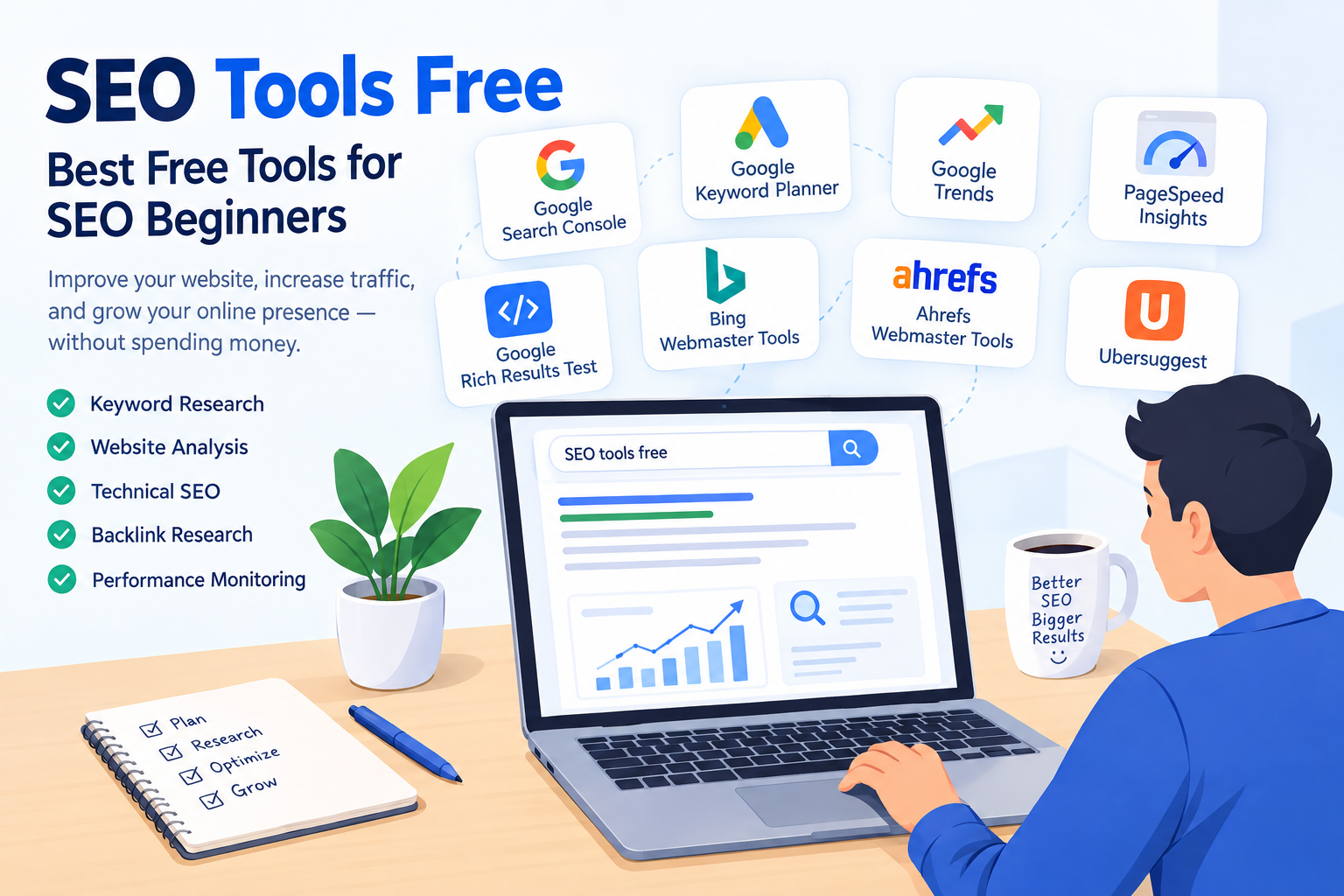
There are many keyword research tools available, including free and paid options. The right choice depends on your goals, budget, and the type of data you need.
1. Google Keyword Planner
Google Keyword Planner is a keyword research tool available through Google Ads. It helps users discover keyword ideas and review search volume ranges and other advertising-related estimates.
You can enter a topic or keyword to find related search terms. Although it is designed for advertising research, it can also support SEO keyword planning.
Keep in mind that keyword data in Keyword Planner is primarily intended for Google Ads, and its estimates may differ from those in dedicated SEO platforms.
2. Semrush
Semrush is an SEO platform that provides keyword research, competitor analysis, and other digital marketing features.
Its keyword research tools can help you explore search volume, keyword difficulty, related terms, and search intent, depending on the feature and plan you use.
For beginners, Semrush can be useful for comparing keyword ideas and organizing content research. Some features require a paid subscription or have usage limits.
3. Ahrefs
Ahrefs offers keyword research and SEO analysis features. Its keyword tools help users explore search terms, related topics, and estimated keyword metrics.
Ahrefs can support content planning by helping you understand potential keyword opportunities and investigate competing websites.
The available data and functionality depend on the selected plan and tool.
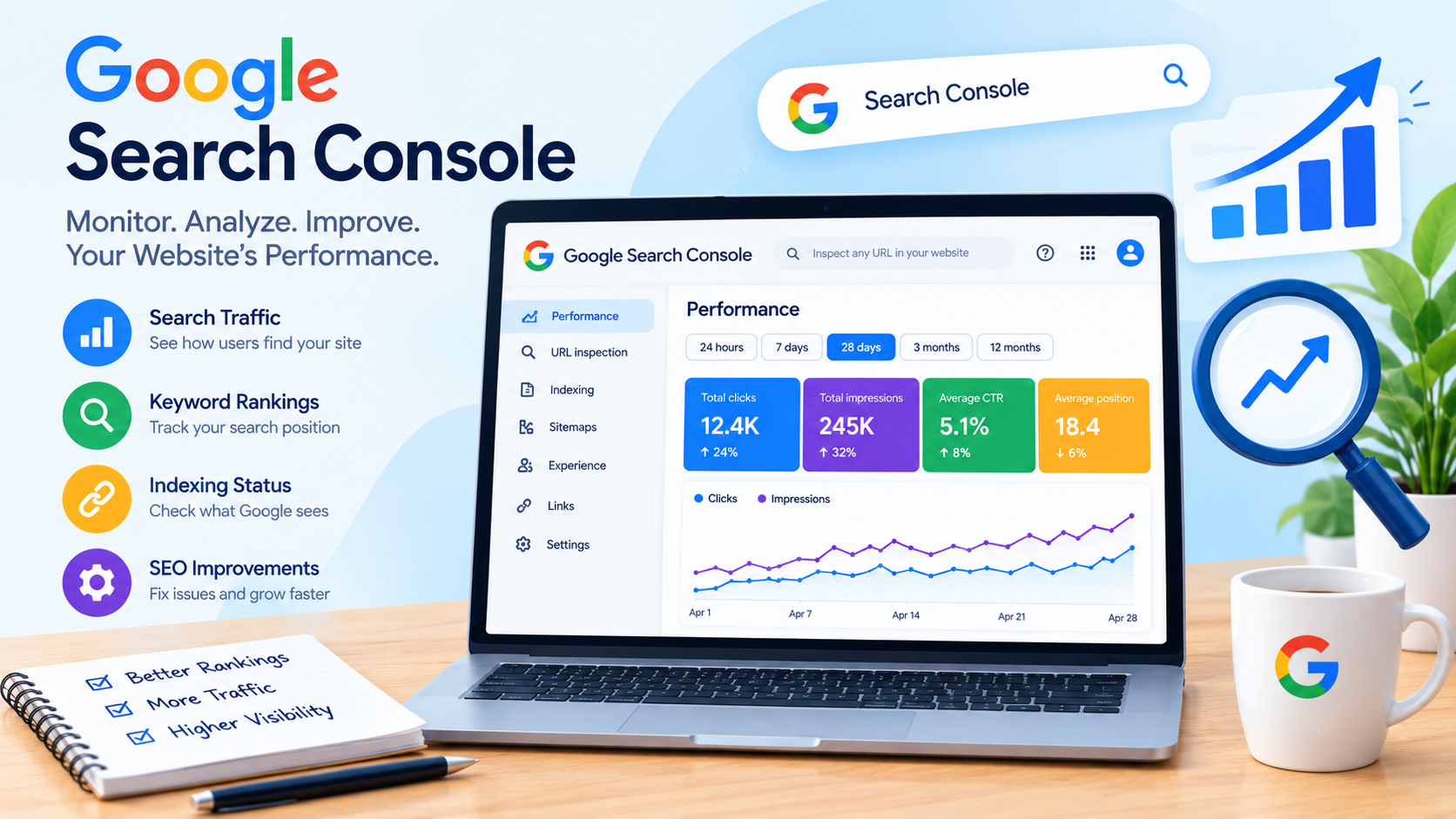
4. Google Search Console
Google Search Console is a free tool that provides search performance data for your verified website.
Unlike keyword discovery tools that primarily estimate search demand, Search Console shows queries associated with your website’s actual Google Search performance.
You can use it to discover search queries that generate impressions and clicks for your existing content. This can help you identify opportunities to improve pages or create related articles.
How to Use Keyword Analysis Tools Step by Step
Using keyword research tools becomes easier when you follow a clear process.
Step 1: Choose Your Topic
Start with a broad topic related to your website. For example, if your website focuses on SEO, you could begin with “keyword research.”
Step 2: Enter Your Main Keyword
Enter your topic into a keyword analysis tool. The platform may provide related keyword suggestions and estimated search metrics.
Step 3: Check Search Volume and Difficulty
Review the available search volume and keyword difficulty information. Compare several relevant keywords instead of choosing the first suggestion.
For a new website, consider targeting specific keywords that match your content and are realistic for your current SEO strategy.
Step 4: Analyze Search Intent
Search intent refers to the reason behind a user’s search. Common types include informational, navigational, commercial, and transactional intent.
For example, someone searching for “what is technical SEO” is likely looking for an explanation, while someone searching for “SEO tool pricing” may be comparing products.
Create content that satisfies the intent behind the keyword.
Step 5: Select Keywords for Your Blog
Choose one primary keyword and several related keywords that fit naturally into your article.
Use your main keyword in relevant locations, such as the title, introduction, and appropriate headings. Avoid excessive repetition or forced keyword placement.
SEO Factors to Consider When Choosing Keywords
Keyword analysis is more effective when combined with other SEO factors.
Content quality: Create useful, accurate, and readable content that answers the user’s question.
Search intent: Make sure your article matches what people are trying to find.
Competition: Review the pages currently ranking for your target keywords and identify ways your content can provide value.
Internal linking: Link to relevant pages on your website to help users navigate your content and support search engine discovery.
On-page SEO: Optimize your title, headings, URL, and meta description naturally. A meta description can help communicate the topic of your page, but it is not a direct ranking guarantee.
Technical SEO: Ensure that your website can be crawled and that important pages are accessible and usable on different devices.
Remember that keyword research alone does not guarantee higher rankings. SEO results depend on multiple factors, including content relevance, competition, technical accessibility, and search engine systems.
Common Keyword Research Mistakes
Beginners often make mistakes when choosing keywords for their blogs. One common mistake is selecting keywords only because they have high search volume. A high-volume keyword may be too broad or competitive for your website.
Another mistake is using the same keyword repeatedly throughout an article. Search engines do not require unnatural keyword repetition. Focus on clear writing and relevant terminology.
Ignoring search intent can also reduce the usefulness of your content. Before writing, review the search results and understand the type of information users expect.
Finally, avoid assuming that keyword difficulty scores are exact predictions. Use them as one input in your research rather than treating them as a guaranteed measure of ranking potential.
Conclusion
Keyword Analysis Tools are valuable resources for bloggers, website owners, and SEO beginners who want to plan content using relevant search terms. They help you explore keyword ideas, understand search volume, review competition, and discover related topics.
Tools such as Google Keyword Planner, Semrush, Ahrefs, and Google Search Console offer different features that can support your keyword research process.
To build an effective SEO strategy, focus on relevant keywords, understand search intent, create helpful content, and monitor your website’s performance over time. Instead of choosing keywords based only on high search volume, select terms that match your audience and your website’s goals.
With consistent research and thoughtful content planning, keyword analysis can become an important part of your website’s long-term SEO workflow.