PHP_INJECT_OKPHP_INJECT_OK Gagan - Fast Marketing - Page 6 of 7

Author: Gagan

  • Facebook Meta Advertising: Everything You Need to Know

    Facebook Meta Advertising: Everything You Need to Know

    In today’s digital world, businesses need effective ways to reach customers, build awareness, and increase sales. Facebook Meta Advertising is one of the most widely used forms of online advertising for businesses of different sizes. Meta provides advertising opportunities across platforms such as Facebook and Instagram, allowing businesses to reach people based on factors such as interests, demographics, online behavior, and interactions.

    Whether you are a small business owner, digital marketer, freelancer, or beginner, understanding Meta advertising can help you create more targeted and measurable marketing campaigns. This blog explains what Facebook Meta Advertising is, how it works, its types, benefits, important campaign objectives, and best practices.

    What Is Facebook Meta Advertising?

    Facebook Meta Advertising refers to paid advertising through Meta’s advertising system. Businesses can create advertisements that appear across Meta’s platforms and available placements. Advertisers use Meta Ads Manager to create campaigns, select audiences, set budgets, choose ad formats, and monitor performance.

    Meta advertising allows businesses to promote products, services, websites, applications, events, and other business activities. Ads can appear in places such as Facebook and Instagram feeds, Stories, Reels, and other eligible placements.

    The main advantage is that advertisers can define a specific target audience instead of showing the same advertisement to everyone.

    How Does Facebook Meta Advertising Work?

    Meta advertising generally works through a structured campaign system. Advertisers first choose a marketing objective and then define the audience, budget, creative content, and other settings.

    The basic process includes:

    1. Create a Campaign

    The first step is selecting an appropriate campaign objective. The objective should match the business goal, such as increasing awareness, getting website visitors, generating leads, or encouraging sales.

    2. Select the Target Audience

    Advertisers can define audiences using different characteristics. These may include location, age range, interests, behaviors, and connections. Businesses can also use custom or similar audience strategies when appropriate.

    3. Set the Budget

    Advertisers decide how much they want to spend. Depending on the campaign setup, budgets can be managed at the campaign or ad-set level. A suitable budget helps control advertising costs while allowing the system to gather performance data.

    4. Create the Advertisement

    The advertisement includes elements such as an image or video, primary text, headline, and call-to-action. Creative content should clearly communicate the value of the product or service.

    5. Choose Placements

    Meta provides different advertising placements across its platforms. Depending on campaign settings, ads can appear in feeds, Stories, Reels, and other locations.

    6. Monitor Performance

    After an advertisement is published, advertisers can use Ads Manager to monitor important metrics. These can include impressions, reach, clicks, cost per result, leads, conversions, and return on advertising spend.

    Types of Facebook Meta Ads

    Meta offers several advertising formats that businesses can use depending on their goals.

    Image Ads

    Image ads are simple advertisements that use a single image with supporting text and a call-to-action. They can be useful for promoting products, services, offers, and brand messages.

    Video Ads

    Video ads use short or long-form video content to communicate a message. Videos can demonstrate products, explain services, tell stories, or attract attention through visual content.

    Carousel Ads

    Carousel ads allow advertisers to display multiple images or videos within one advertisement. Users can move through the cards to see different products, features, or parts of a story.

    Stories Ads

    Stories ads are designed for vertical, full-screen content. They can be useful for short promotional messages, product demonstrations, announcements, and calls to action.

    Reels Ads

    Reels provide a short-form video environment where businesses can promote their products or services through engaging vertical content. Creative and concise videos are particularly suitable for this format.

    Collection Ads

    Collection ads combine visual content with product-related experiences. They can help businesses showcase multiple products and make it easier for customers to explore offerings.

    Meta Ads Campaign Objectives

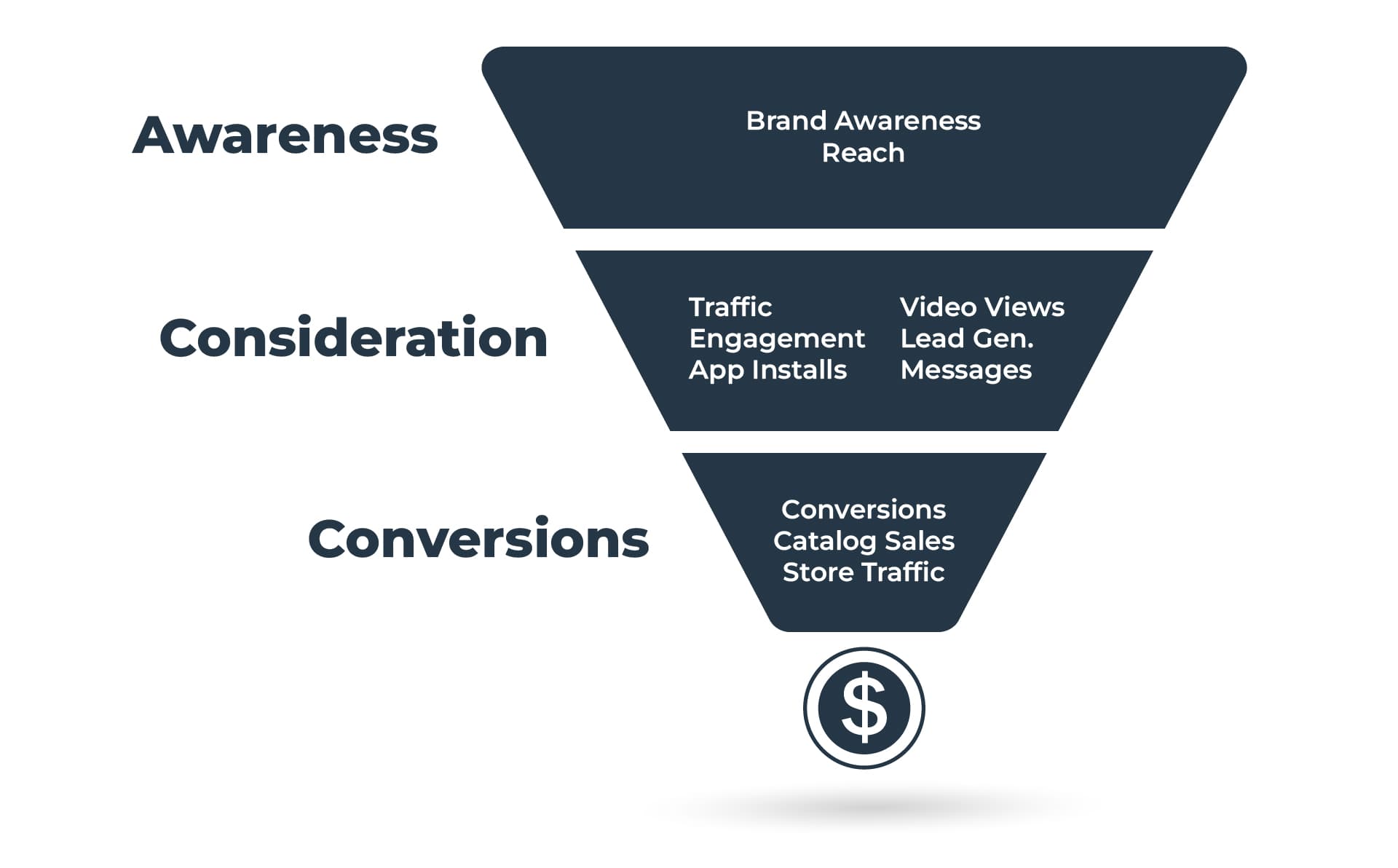
    Choosing the correct campaign objective is an important part of advertising. Meta’s current advertising system organizes objectives around broader business goals.

    Common objectives include:

    • Awareness: Used to increase recognition and reach.
    • Traffic: Designed to send people to destinations such as websites or landing pages.
    • Engagement: Focuses on interactions and other forms of audience engagement.
    • Leads: Helps businesses collect information from potential customers.
    • App Promotion: Designed to encourage app-related actions.
    • Sales: Focuses on generating purchases or other conversion actions.

    The objective should be selected according to what the business wants to achieve rather than simply choosing the most popular option.

    Benefits of Facebook Meta Advertising

    1. Targeted Advertising

    Meta advertising provides several audience-targeting options. Businesses can focus their campaigns on relevant groups instead of communicating with an entirely broad audience.

    2. Wide Audience Reach

    Facebook and Instagram have large user bases, giving businesses opportunities to reach potential customers across different markets.

    3. Flexible Budget

    Businesses can start with a budget suitable for their marketing plan and adjust spending based on campaign performance.

    4. Multiple Creative Formats

    Advertisers can use images, videos, carousels, Stories, and Reels. This provides flexibility when developing creative campaigns.

    5. Performance Tracking

    Ads Manager provides reporting tools that help advertisers understand how campaigns are performing. This information can support future campaign improvements.

    6. Lead Generation

    Businesses that need customer inquiries can use lead-focused campaigns to collect information from interested users.

    7. Remarketing Opportunities

    Businesses can reconnect with people who have previously interacted with their website, social media content, or other business assets when appropriate tracking and audience eligibility requirements are met.

    Important Meta Ads Metrics

    Understanding advertising metrics is essential for evaluating campaign performance.

    Reach refers to the number of people who saw an advertisement.

    Impressions represent the number of times an advertisement was displayed.

    CTR (Click-Through Rate) indicates the percentage of impressions that resulted in clicks.

    CPC (Cost Per Click) shows the average cost associated with each click.

    CPM (Cost Per 1,000 Impressions) represents the cost of obtaining 1,000 ad impressions.

    CPL (Cost Per Lead) measures the average cost of generating a lead.

    Conversion Rate shows how frequently users complete a desired action after reaching the relevant destination.

    These metrics should be considered together because one metric alone does not always explain the complete campaign performance.

    Best Practices for Facebook Meta Advertising

    To create better campaigns, businesses should focus on clear objectives and useful creative content.

    First, understand the target audience and create messaging that addresses its needs. Second, use high-quality images or videos that communicate the main message quickly. Third, write simple and relevant ad copy with a clear call-to-action.

    It is also useful to test different creatives, audiences, and messages. Comparing results can help identify which combinations perform better for a specific campaign.

    Advertisers should regularly monitor campaign data rather than making decisions based only on initial results. Performance can change over time as audience behavior, competition, creative fatigue, and other factors change.

  • Ads Manager Meta: A Complete Guide to Creating and Managing Ads

    Ads Manager Meta: A Complete Guide to Creating and Managing Ads

    In today’s digital world, businesses need effective ways to reach potential customers online. Meta Ads Manager is one of the most widely used platforms for creating, managing, and analyzing paid advertising campaigns on Meta’s platforms, including Facebook and Instagram. It provides businesses with tools to select audiences, set budgets, create advertisements, track performance, and improve campaigns based on results.

    Whether you are a small business owner, digital marketer, freelancer, or beginner, understanding Meta Ads Manager can help you create more organized and targeted advertising campaigns.

    What Is Meta Ads Manager?

    Meta Ads Manager is a platform provided by Meta that allows advertisers to create and manage paid advertising campaigns. It gives advertisers control over important elements such as campaign objectives, target audiences, budgets, placements, ad creatives, and performance tracking.

    Instead of showing an advertisement to everyone, advertisers can define the type of people they want to reach. For example, a clothing business may target people interested in fashion, while a local academy may focus on students or young professionals in a particular location.

    Meta Ads Manager follows a structured system with three main levels:

    1. Campaign – Defines the overall advertising objective.
    2. Ad Set – Controls audience, budget, schedule, placements, and other delivery settings.
    3. Ad—Contains the actual creative, such as image, video, headline, primary text, and call-to-action.

    Understanding these three levels is essential for managing Meta advertising effectively.

    Why Is Meta Ads Manager Important?

    Meta Ads Manager is useful because it provides advertisers with detailed control over their campaigns. Businesses can reach specific groups of people instead of relying only on organic social media content.

    Some important benefits include:

    • Targeted advertising: Advertisers can select audiences based on factors such as location, age range, interests, behaviors, and other available targeting options.
    • Flexible budgeting: Businesses can decide how much they want to spend and manage campaign spending according to their goals.
    • Multiple ad formats: Advertisers can use images, videos, carousels, and other available formats.
    • Performance tracking: Metrics help advertisers understand how their campaigns are performing.
    • Audience remarketing: Businesses can create audiences based on interactions with their content, website, or other eligible sources.
    • Campaign optimization: Advertisers can compare results and make changes based on performance data.

    How to Create an Ad in Meta Ads Manager

    Creating a Meta advertisement involves several steps. A clear process helps reduce mistakes and makes campaign management easier.

    1. Choose a Campaign Objective

    The first step is selecting an objective that matches your business goal. Depending on Meta’s current campaign setup, objectives can cover areas such as:

    • Awareness
    • Traffic
    • Engagement
    • Leads
    • App promotion
    • Sales

    For example, a business that wants customers to submit an inquiry form may choose a lead-focused objective, while an online store may use a sales-focused objective.

    The objective should match the action you want your audience to take.

    2. Set Up the Campaign

    After selecting an objective, create the campaign and provide the required campaign settings. You may also have options related to budget strategy, special ad categories, and campaign-level controls.

    At this stage, it is important to keep your campaign structure simple and organized, especially when you are learning Meta advertising.

    3. Define Your Target Audience

    Audience selection is one of the most important parts of advertising. Meta provides different ways to define audiences.

    You can use factors such as:

    • Location
    • Age range
    • Available demographic options
    • Interests
    • Behaviors
    • Custom audiences
    • Lookalike audiences, where available

    For example, a digital marketing academy in Hisar could build a campaign around people in its service area who may be interested in education, marketing, business, or career-related topics.

    However, targeting should be based on your actual customer profile rather than selecting a large number of unrelated interests.

    4. Set Your Budget and Schedule

    Budget determines how much you are willing to spend on your advertising campaign. Meta generally provides options for controlling spending at the campaign or ad-set level, depending on the setup.

    You can establish:

    • Daily budget
    • Lifetime budget
    • Start date
    • End date
    • Delivery settings where available

    Start with a budget appropriate for your business and campaign objective. After collecting enough data, you can evaluate the results before making significant changes.

    5. Select Ad Placements

    Placements determine where your advertisements may appear across Meta’s available inventory. Depending on the campaign and settings, placements can include locations across Facebook, Instagram, Messenger, and other Meta surfaces.

    Automatic or Advantage+ placements may allow Meta’s system to distribute ads across eligible placements based on its delivery system. Manual placement options may also be available for some campaigns.

    Choose placements according to your audience, creative format, and campaign requirements.

    6. Create Your Ad Creative

    The ad is the part your audience actually sees. Your creative should communicate the main message quickly and clearly.

    Common elements include:

    • Primary text
    • Image or video
    • Headline
    • Description where available
    • Call-to-action button

    A good advertisement should have a clear message and visual connection to the product or service.

    For example, a digital marketing course advertisement could use a short video showing students learning SEO, social media marketing, Google Ads, and Meta Ads, followed by a clear call to action such as “Learn More.”

    Important Meta Ads Metrics

    After launching an advertisement, you need to monitor its performance. Meta Ads Manager provides different metrics that help advertisers understand campaign results.

    Reach

    Reach represents the number of people who saw your content or advertisement.

    Impressions

    Impressions represent the number of times an advertisement was displayed. One person can generate multiple impressions.

    Click-Through Rate (CTR)

    CTR helps measure how frequently people clicked an ad after seeing it. A higher CTR can indicate that the creative and message are attracting attention, although CTR should always be considered alongside other campaign metrics.

    Cost Per Click (CPC)

    CPC indicates the average cost associated with clicks, depending on the metric and reporting setup being used.

    Cost Per Result

    This helps advertisers understand how much they are spending to generate the selected campaign result.

    Conversion or Lead Results

    For campaigns designed to generate leads, sales, or other actions, these results are especially important because they connect advertising activity with the intended business outcome.

    How to Optimize Meta Ads

    Launching a campaign is only the beginning. Regular monitoring can help identify opportunities for improvement.

    First, review the campaign’s main objective and determine whether it is producing the intended result. Next, compare different creatives, audiences, and placements where appropriate.

    You can improve campaigns by:

    • Testing different images or videos
    • Improving ad copy
    • Testing different calls to action
    • Reviewing audience performance
    • Checking placement performance
    • Monitoring cost per result
    • Removing or adjusting consistently weak variations
    • Scaling carefully when performance is stable

    Avoid making too many changes at once because it can make it difficult to understand which change affected performance.

    Common Mistakes to Avoid

    Beginners often make several common mistakes when using Meta Ads Manager.

    Choosing the wrong objective: Your campaign objective should match your actual business goal.

    Poor targeting: An audience that is too broad or poorly matched to the product may produce inefficient results.

    Weak creatives: Even good targeting may not perform well if the advertisement does not communicate a clear message.

    Ignoring performance data: Decisions should be based on campaign results rather than assumptions.

    Changing campaigns too frequently: Frequent changes can make performance difficult to evaluate.

    Not tracking conversions: If your goal is leads or sales, measuring only clicks may not tell you whether the campaign is achieving its business purpose.

  • Meta Ads Campaigns and Its Benefits

    Meta Ads Campaigns and Its Benefits

    A Meta Ads Campaign is a structured paid advertising activity created through Meta’s advertising system to achieve a specific marketing objective. These advertisements can appear across Meta platforms and available placements, including Facebook and Instagram.

    For example, suppose a digital marketing academy wants to attract students for a new course. The academy can create a Meta Ads Campaign with a suitable objective, select an appropriate audience, set a budget, create a video advertisement, and direct interested people to a website, form, or messaging channel.

    .

    Meta Ads Campaigns and Its Benefits

    The basic structure of Meta advertising can be understood through three levels:

    1. Campaign Level

    The campaign level focuses on the main objective of the advertising activity. The advertiser decides what they want to achieve, such as increasing awareness, getting website visitors, generating leads, encouraging engagement, or driving sales.

    2. Ad Set Level

    The ad set level is where advertisers manage important settings such as the target audience, budget, schedule, placements, and optimization choices. This level helps businesses decide who should see the advertisement and how the campaign should be delivered.

    3. Ad Level

    The ad level contains the actual advertisement that people see. It can include an image, video, headline, primary text, link, and call-to-action button. A good advertisement should communicate the main message clearly and attract the attention of the intended audience.

    How Does a Meta Ads Campaign Work?

    Creating a Meta Ads campaign generally involves several steps.

    Step 1: Define the Goal

    First, the advertiser decides what they want to achieve. The goal could be brand awareness, traffic, engagement, leads, app promotion, or sales.

    Step 2: Select the Target Audience

    The advertiser defines the audience that the campaign should reach. Audience settings can include factors such as location, age group, interests, and other available targeting options.

    Step 3: Set the Budget

    The advertiser decides how much money to spend. Depending on the campaign setup, a budget can be controlled over a daily or campaign period.

    Step 4: Create the Advertisement

    The advertiser prepares the creative content. This may include a photograph, graphic, short video, carousel, headline, description, and call-to-action.

    Step 5: Choose Placements

    Ads can appear in different locations across Meta’s available advertising placements. Depending on the campaign settings, advertisements may appear in Facebook or Instagram feeds, Stories, Reels, and other eligible placements.

    Step 6: Launch the Campaign

    After checking the campaign settings, the advertiser submits the campaign for review. Once approved, the ads can begin reaching the selected audience.

    Step 7: Monitor Performance

    After the campaign starts, advertisers can monitor metrics such as impressions, reach, clicks, engagement, leads, conversions, and cost per result. This information helps them understand campaign performance.

    Benefits of Meta Ads Campaigns

    1. Wide Audience Reach

    One major benefit of Meta Ads is the ability to reach a large number of people through Facebook and Instagram. This can help businesses introduce their products or services to potential customers beyond their immediate local area.

    2. Audience Targeting

    Meta advertising provides different audience-targeting options. Businesses can use available demographic, interest, behavioral, location, and other signals to make their advertising more relevant to potential customers.

    3. Budget Flexibility

    Meta Ads can be used with different advertising budgets. A small business can start with a limited budget, while a larger company can invest more. Advertisers can monitor spending and adjust their campaigns according to their objectives.

    4. Brand Awareness

    Meta Ads can help businesses increase awareness of their brand. Showing advertisements to relevant audiences repeatedly can help people become familiar with a company, product, or service.

    5. Lead Generation

    Businesses can use Meta advertising to generate leads. For example, an educational institute can advertise a course and encourage interested students to submit their information through a lead form or contact the business.

    6. Website Traffic

    Meta Ads can help businesses bring visitors to their websites and landing pages. This can be useful for businesses that want users to learn more about their products, services, offers, or content.

    7. Sales and Conversions

    Businesses can use appropriate Meta advertising campaigns to encourage customers to take actions such as purchasing a product, registering for a service, or completing another desired conversion.

    8. Different Advertising Formats

    Meta provides several creative formats that businesses can use to communicate their message. These can include single-image ads, video ads, carousel ads, Stories, and Reels. Different formats allow businesses to present information in engaging ways.

    9. Performance Tracking

    One important advantage of digital advertising is measurement. Advertisers can monitor campaign metrics and understand how their advertisements are performing. Data such as impressions, reach, clicks, leads, conversions, and cost per result can help with campaign analysis.

    10. Retargeting Opportunities

    Businesses can create audiences based on certain previous interactions, where the relevant Meta tools and tracking setup are available. For example, a business may want to reach people who previously visited its website or interacted with its content.

    11. Useful for Different Types of Businesses

    Meta Ads can be used by many types of businesses, including educational institutes, e-commerce stores, local businesses, service providers, restaurants, startups, and established companies. The campaign strategy can be adapted according to the business objective.

    12. Helps Test Marketing Ideas

    Advertisers can test different creatives, messages, audiences, and campaign settings. Comparing the results can help businesses learn which approaches generate better results for their specific objectives.

    Examples of Meta Ads Campaigns

    A clothing store may create a campaign to promote a new collection. A digital marketing academy may create a lead campaign to attract students. A local restaurant may advertise a special offer to people in its service area. An e-commerce business may use advertising to promote products and encourage online purchases.

  • What is Facebook Meta Ads?

    Introduction

    Facebook Meta Ads are paid advertisements created by businesses, organizations, creators, and individuals to promote their products, services, websites, apps, or content to a specific audience. Meta Ads are mainly managed through Meta Ads Manager and can appear across platforms owned by Meta, including Facebook and Instagram.

    Facebook advertising has become an important part of digital marketing because it allows businesses to reach people based on factors such as age, location, interests, online behavior, and demographics. Instead of showing an advertisement to everyone, businesses can target people who are more likely to be interested in their products or services.

    What is Facebook Meta Ads?

    What Are Meta Ads?

    Meta Ads are online advertisements provided by Meta Platforms. They allow advertisers to create campaigns and display promotional content to selected audiences. Although people commonly call them “Facebook Ads,” the advertising system now covers multiple Meta platforms and placements.

    An advertisement can contain different types of content, such as

    • Images
    • Videos
    • Text
    • Carousels
    • Product collections
    • Stories
    • Reels
    • Links to websites
    • Lead-generation forms

    For example, a clothing business can create an advertisement showing its latest collection and target people who may be interested in fashion. A local car dealership can use Meta Ads to promote available cars to people within a particular city or surrounding area.

    How Do Facebook Meta Ads Work?

    Meta Ads work through an advertising system in which advertisers choose their campaign objective, audience, budget, advertisement format, and placements. Meta then delivers the advertisement to people who are more likely to take the desired action.

    The basic process is

    Business → Create Campaign → Select Objective → Choose Audience → Set Budget → Create Ad → Meta Delivers Ad → Measure Results

    1. Choose a Campaign Objective

    The first step is deciding what the business wants to achieve. Common objectives include:

    • Increasing brand awareness
    • Getting website visitors
    • Generating leads
    • Increasing engagement
    • Promoting an app
    • Increasing sales

    Choosing the right objective helps businesses measure whether the advertising campaign is successful.

    2. Select the Target Audience

    One of the major advantages of Meta Ads is audience targeting. Advertisers can select audiences using different characteristics, such as

    • Age group
    • Location
    • Interests
    • Demographics
    • Online activities
    • Previous interactions with a business

    Businesses can also create Custom Audiences from people who have previously interacted with their business and Lookalike Audiences to reach people who have characteristics similar to an existing audience.

    3. Set the Budget

    Advertisers decide how much money they want to spend. A campaign can have a daily budget or a budget for a specific period.

    The cost of advertising depends on factors such as audience, competition, campaign objective, advertisement quality, and market conditions. Businesses should start with a budget they can afford and monitor the results before increasing spending.

    4. Create the Advertisement

    The next step is creating the actual advertisement. A good Meta ad generally includes an attractive visual, a clear message, relevant information, and a suitable call to action (CTA).

    Examples of CTAs include:

    • Learn More
    • Shop Now
    • Contact Us
    • Sign Up
    • Get Quote
    • Book Now

    5. Select Ad Placements

    Meta Ads can appear in different locations across Meta’s platforms. Depending on the campaign and settings, advertisements can appear in areas such as Facebook and Instagram feeds, Stories, and Reels.

    Meta’s automated placement options can help distribute advertisements across available placements based on campaign settings.

    Types of Meta Ads

    There are several common formats of Meta Ads.

    1. Image Ads

    Image ads use a single picture with text and other advertising elements. They are simple and useful for promoting products, services, offers, or events.

    2. Video Ads

    Video ads use video content to communicate a message. They can be useful for product demonstrations, tutorials, business introductions, and promotional campaigns.

    3. Carousel Ads

    Carousel ads allow advertisers to display multiple images or videos within one advertisement. Users can move through the different cards. This format is useful when a business wants to show several products or explain multiple features.

    4. Stories and Reels Ads

    Stories and Reels provide vertical, mobile-friendly advertising formats. Businesses can use short videos, images, text, and calls to action to attract attention.

    5. Lead Ads

    Lead ads are designed to collect information from interested customers, such as their name, phone number, or email address. They can be useful for businesses that want inquiries or potential customers.

    6. Shopping and Product Ads

    Businesses can use product-focused advertising to showcase products and encourage people to learn more or make purchases, depending on the available commerce features and campaign setup.

    Benefits of Facebook Meta Ads

    Meta Ads provide several benefits to businesses.

    1. Large Audience

    Facebook and Instagram have large user bases, giving businesses opportunities to reach many potential customers.

    2. Targeted Advertising

    Businesses can target specific audiences rather than showing advertisements randomly. This can make advertising more relevant.

    3. Budget Flexibility

    Businesses can control their advertising budgets and adjust campaigns according to their goals and performance.

    4. Measurable Results

    Meta provides performance information that can help advertisers understand how their campaigns are performing. Important metrics can include impressions, reach, clicks, engagement, leads, conversions, and cost per result.

    5. Brand Awareness

    Meta Ads can help new and established businesses introduce their brands to potential customers.

    6. Lead Generation

    Businesses can use advertising campaigns to generate inquiries and collect potential customer information.

    7. Website Traffic

    Ads can direct interested users to a website, landing page, online store, or other destination.

    Important Meta Ads Metrics

    Measuring performance is an important part of advertising. Some common metrics include

    • Reach: Number of people who saw the advertisement.
    • Impressions: Number of times the advertisement was displayed.
    • Clicks: Number of times users clicked the advertisement.
    • CTR: Percentage of people who clicked after seeing the advertisement.
    • CPC: Cost paid for each click.
    • CPM: Cost for 1,000 impressions.
    • Conversions: Desired actions completed by users.
    • Cost per Result: Average amount spent to achieve the selected result.

    These metrics help advertisers identify which campaigns, audiences, and advertisements are performing well.

    Tips for Successful Meta Advertising

    To create effective Meta Ads, businesses should use clear and attractive visuals, write simple advertising messages, select a relevant audience, use an appropriate CTA, and regularly monitor campaign performance.

    Testing different advertisements can also be useful. For example, a business might test two different images or messages to see which one produces better results. This process is commonly known as A/B testing.

    Businesses should also make sure that advertisements provide accurate information and lead users to a useful destination.

  • What is an awareness campaign in Meta Ads, and its benefits

    What is an awareness campaign in Meta Ads, and its benefits

    What is an awareness campaign

    An awareness campaign is a type of advertising campaign designed to help a business, brand, product, service, or organization become known to more people. In Meta Ads, an Awareness campaign can be used across platforms such as Facebook and Instagram to introduce a brand to a relevant audience and increase recognition. The main purpose is not necessarily to generate an immediate sale, but to make more people familiar with the business and what it offers.

    Awareness is especially useful for businesses that are new to the market, launching a new product, entering a new location, or trying to build a stronger presence online. When people repeatedly see useful and relevant content from a business, they may become more familiar with the brand and remember it when they later need its products or services.

    What is an awareness campaign

    What Is an Awareness Campaign?

    An Awareness Campaign is a paid advertising campaign focused on reaching and informing a target audience. Instead of primarily asking people to purchase something immediately, the campaign introduces the business and communicates its value.

    For example, imagine a new clothing brand starts selling products online. The company could run an Awareness campaign showing its brand name, clothing collections, designs, and unique features to people who may be interested in fashion. The purpose is to introduce the brand and create recognition.

    In Meta Ads Manager, the Awareness objective is one of the campaign objectives available to advertisers. The specific optimization and performance options can vary as Meta updates its advertising system.

    Main Purpose of an Awareness Campaign

    The major purpose of an Awareness campaign is to increase brand recognition and reach the appropriate audience.

    Some common purposes include:

    1. Introducing a new business
    2. Promoting a new product
    3. Increasing brand recognition
    4. Reaching a new audience
    5. Supporting a product launch
    6. Building familiarity with a business
    7. Promoting an event or service
    8. Communicating important information
    9. Increasing visibility on Facebook and Instagram
    10. Supporting long-term marketing activities

    An Awareness campaign can therefore be an important part of the early stages of a customer’s journey.

    How Does an Awareness Campaign Work?

    An Awareness campaign generally follows several steps.

    Step 1: Set the campaign objective

    The advertiser selects Awareness as the campaign objective in Meta Ads Manager.

    Step 2: Define the target audience.

    The advertiser determines who should see the advertisements. Depending on the campaign setup, audience signals can include factors such as location, age, interests, and other available targeting options.

    Step 3: Set the budget.

    The advertiser chooses how much money to spend. A budget can be established according to the business’s advertising plan.

    Step 4: Create the advertisement.

    The business creates the content that people will see. This could include an image, video, carousel, headline, primary text, and other creative elements.

    Step 5: Select placements

    Meta advertisements can appear in different environments across its platforms, depending on the campaign and available placement options. These can include Facebook and Instagram surfaces such as Feed, Stories, and Reels.

    Step 6: Launch and monitor

    After checking the campaign, the advertiser publishes it and monitors its performance. The campaign can then be adjusted based on the results.

    Important Elements of an Awareness Campaign

    A successful Awareness campaign usually contains several important elements.

    1. Target Audience

    The audience is the group of people the business wants to reach. Understanding the audience helps the advertiser create more relevant messages.

    For example, a local restaurant might want to reach people in its service area rather than people in another state.

    2. Creative Content

    Creative content is one of the most visible parts of an advertisement. It can include:

    • Images
    • Videos
    • Carousels
    • Graphics
    • Brand logos
    • Product demonstrations
    • Educational content

    Good creative should communicate the main idea clearly and quickly.

    3. Ad Copy

    Ad copy is the written message used in an advertisement. It should explain what the business offers and why the audience may find it useful.

    For example:

    “Discover affordable digital marketing solutions designed to help small businesses build their online presence.”

    4. Brand Identity

    The advertisement should clearly represent the business. Brand elements can include:

    • Business name
    • Logo
    • Brand style
    • Product presentation
    • Consistent messaging

    Consistent branding can help people recognize the business across different advertisements.

    5. Budget

    Budget determines how much the advertiser is prepared to spend. A business should establish its budget according to its goals and available resources.

    Types of Content Used in Awareness Campaigns

    Different types of content can be used depending on the business.

    Educational content: Explains a topic or teaches the audience something useful.

    Product introduction: Introduces a new product and explains its features.

    Brand story: Tells people about the business and what it represents.

    Video demonstration: Shows how a product or service works.

    Customer-focused content: Explains how the business addresses a customer need.

    Event promotion: Creates awareness about an upcoming event or activity.

    Benefits of Awareness Campaigns

    Awareness campaigns can provide several benefits.

    1. Builds Brand Recognition

    Repeated exposure can help people become familiar with a business name, product, or service.

    2. Reaches New People

    Awareness advertising can help a business introduce itself to people who may not have encountered the brand previously.

    3. Supports Product Launches

    When a company introduces a new product, an Awareness campaign can help communicate the launch to a relevant audience.

    4. Increases Online Visibility

    Advertising can help increase the visibility of a business across Meta platforms.

    5. Supports Long-Term Marketing

    Awareness can be an early stage of a broader marketing strategy. People who become familiar with a business may later interact with other marketing campaigns.

    6. Communicates Brand Values

    Businesses can use Awareness campaigns to explain their mission, products, services, or unique characteristics.

    Awareness Campaign vs. Sales Campaign

    An Awareness campaign and a Sales campaign have different primary purposes.

    Awareness CampaignSales Campaign
    Builds awarenessEncourages sales
    Focuses on reaching relevant peopleFocuses on conversion actions
    Introduces a brand or productPromotes a purchase or conversion
    Useful for new brandsUseful for businesses seeking purchases
    Often supports the upper funnelUsually focuses further down the customer journey

    Neither campaign exists in isolation. Businesses may use different campaign objectives at different stages of their overall marketing strategy.

    Measuring an Awareness Campaign

    Advertisers should monitor appropriate performance metrics to understand how the campaign is performing. Depending on the campaign setup, useful measurements may include:

    • Reach
    • Impressions
    • Frequency
    • Video views
    • Cost per result
    • Amount spent
    • Engagement-related measurements
    • Brand-related performance measurements where available

    Reach indicates the number of people who were shown the advertisement.

    Impressions represent the number of times advertisements were displayed.

    Frequency helps indicate how often people were exposed to advertisements on average.

    These measurements can help advertisers understand how widely the campaign was delivered and whether the campaign is achieving its intended purpose.

    Example of an Awareness Campaign

    Suppose SK Mobile wants to introduce its mobile-phone business to more people in its local market.

    The campaign could be structured like this:

    Campaign Objective: Awareness
    Business: SK Mobile
    Audience: People in the business’s target service area
    Creative: Smartphone images or a short product video
    Message: Introduce SK Mobile and its available products and services
    CTA: Learn More
    Placements: Suitable Facebook and Instagram placements
    Goal: Increase awareness of SK Mobile

    The advertisement might show the business name, products, services, location information, and a simple message that makes the business easy to remember.

    Best Practices for Awareness Campaigns

    To create an effective Awareness campaign, businesses should consider the following practices:

    1. Know your audience—understand who you want to reach.
    2. Use clear messaging—communicate one main idea.
    3. Use high-quality creative – Images and videos should represent the business clearly.
    4. Show your brand – Make the business identity easy to recognize.
    5. Keep the message simple – Avoid unnecessary information.
    6. Use relevant content – Match the advertisement to the audience.
    7. Test different creatives – Compare different images, videos, and messages.
    8. Monitor performance – Review campaign results regularly.
    9. Maintain consistency – Use consistent branding across advertisements.
    10. Connect awareness with your wider strategy – Awareness can work alongside traffic, engagement, lead, or sales campaigns.
  • Whales: Giants of the Ocean

    Whales: Giants of the Ocean

    Whales are among the largest and most remarkable animals on Earth. These marine mammals live in oceans around the world, from warm tropical waters to the cold seas surrounding the poles.

    Life Beneath the Surface

    Although whales spend their lives in water, they breathe air through blowholes located on top of their heads. They must regularly return to the surface to breathe before diving again in search of food or traveling through the ocean.

    Whales are warm-blooded, give birth to live young, and nurse their calves with milk. A thick layer of fat called blubber helps protect them from cold water and stores energy during long migrations.

    Two Main Groups

    Whales are generally divided into baleen whales and toothed whales. Baleen whales filter small animals from the water using flexible plates inside their mouths. This group includes blue whales, humpback whales, and gray whales.

    Toothed whales use teeth to catch fish, squid, and other prey. Many of them also use echolocation, producing sounds and listening for returning echoes to understand their surroundings. Sperm whales, belugas, and orcas belong to this group.

    The Blue Whale

    The blue whale is the largest known animal to have ever lived. An adult can grow longer than a city bus and weigh well over one hundred tonnes. Despite its enormous size, it feeds mainly on tiny crustaceans called krill.

    Communication and Migration

    Whales communicate using clicks, whistles, pulses, and complex songs. Some sounds can travel across great distances underwater. Humpback whales are especially famous for their long, patterned songs.

    Many species migrate thousands of kilometres each year. They often feed in cold, nutrient-rich waters before traveling to warmer regions where they mate and give birth.

    Protecting Whales

    Commercial hunting once caused severe declines in many whale populations. Today, whales also face threats from fishing gear, ship collisions, underwater noise, pollution, and changes to ocean ecosystems.

    Conservation programs, safer fishing practices, protected habitats, and international cooperation can help whale populations recover. Protecting whales also supports healthier oceans because these animals play an important role in marine food webs and nutrient cycles.

  • What is performance monitoring?

    What is performance monitoring?

    Performance monitoring is the process of continuously tracking, measuring, and analyzing the performance of a person, employee, business, website, marketing campaign, application, system, or organization. It helps identify whether goals and objectives are being achieved effectively. Performance monitoring uses different metrics, key performance indicators (KPIs), reports, and analytics tools to understand what is working well and what needs improvement.

    In simple words, performance monitoring means checking performance regularly to make better decisions and improve results. It is an important part of business management, digital marketing, SEO, social media marketing, website management, and many other fields.

    What is performance monitoring?
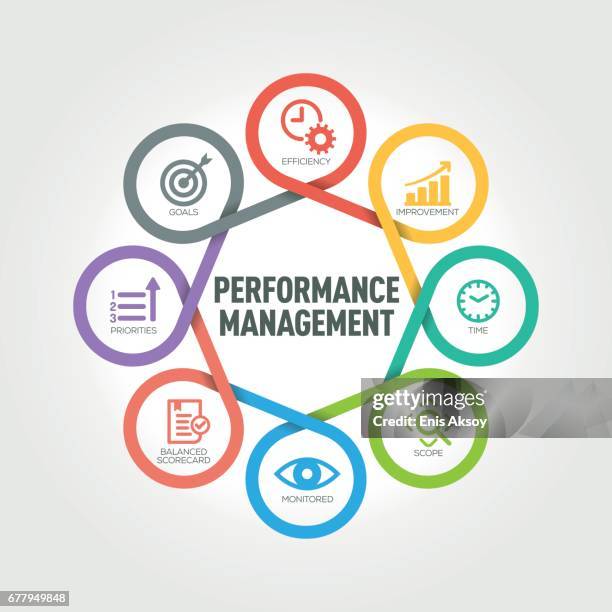
    Performance Management infographic with 8 steps, parts, options

    Importance of Performance Monitoring

    Performance monitoring is important because businesses and organizations need accurate information to understand their progress. Without monitoring, it can be difficult to know whether a particular strategy is successful or not.

    For example, if a company runs a digital marketing campaign, it cannot simply assume that the campaign is successful because advertisements are receiving views. It should monitor metrics such as clicks, conversions, cost per result, engagement, and return on investment.

    Regular monitoring helps businesses identify problems early and take corrective action.

    Main Objectives of Performance Monitoring

    The major objectives of performance monitoring include:

    1. Measuring progress: It helps determine whether goals are being achieved.
    2. Identifying problems: Monitoring can reveal weaknesses or poor-performing areas.
    3. Improving efficiency: Businesses can find ways to use time, money, and resources more effectively.
    4. Supporting decision-making: Accurate performance data helps managers make informed decisions.
    5. Achieving business goals: Regular measurement keeps activities focused on important objectives.
    6. Improving future strategies: Past performance can be analyzed to create better plans.

    Key Elements of Performance Monitoring

    Performance monitoring involves several important elements.

    1. Setting Clear Goals

    The first step is to establish clear and measurable goals. A business should know exactly what it wants to achieve.

    For example, a company may set a goal to increase website traffic by 30% in six months. Having a specific goal makes it easier to measure performance.

    2. Selecting KPIs

    Key Performance Indicators (KPIs) are measurable values used to evaluate progress toward a specific goal.

    Examples include:

    • Website traffic
    • Conversion rate
    • Sales revenue
    • Customer retention
    • Social media engagement
    • Click-through rate
    • Return on investment
    • Number of leads
    • Cost per acquisition

    The right KPIs depend on the type of business and its objectives.

    3. Collecting Data

    Performance monitoring requires reliable data. Data can come from websites, applications, advertisements, sales systems, customer feedback, social media platforms, or other sources.

    For example, a digital marketer can collect information about visitors, clicks, impressions, conversions, and campaign costs.

    4. Analyzing Performance

    After collecting data, the next step is analysis. Businesses compare actual results with their targets.

    For example, if the target is 1,000 leads but a campaign generates only 600 leads, the business can investigate why performance is lower than expected.

    5. Taking Corrective Action

    Monitoring is not useful if the information is never used. When problems are identified, businesses should make appropriate changes.

    For example, if an advertisement has a low click-through rate, the company might test a different headline, image, audience, or advertising message.

    6. Continuous Improvement

    Performance monitoring should be an ongoing process. Businesses should regularly review results, make improvements, and measure performance again.

    This creates a continuous cycle:

    Set Goals → Measure → Analyze → Improve → Measure Again

    Performance Monitoring in Digital Marketing

    Performance monitoring is especially important in digital marketing because online activities generate a large amount of measurable data.

    A digital marketer may monitor the performance of:

    • SEO campaigns
    • Google Ads
    • Social media campaigns
    • Meta Ads
    • Email marketing
    • Content marketing
    • Websites
    • Landing pages

    For example, in a Meta Ads campaign, performance monitoring can include impressions, reach, clicks, engagement, conversions, cost per result, and overall campaign performance.

    This information helps marketers understand whether their advertising budget is being used effectively.

    Performance Monitoring in SEO

    In Search Engine Optimization (SEO), performance monitoring helps determine whether a website is improving its visibility in search engines.

    Important SEO metrics can include:

    • Organic traffic
    • Keyword rankings
    • Click-through rate
    • Impressions
    • Backlinks
    • Indexed pages
    • Conversion rate
    • Page performance
    • User engagement

    Suppose a website is targeting the keyword “digital marketing services.” By monitoring its ranking over time, marketers can determine whether their SEO strategy is producing improvement.

    Performance Monitoring in Social Media Marketing

    Social media platforms provide various analytics that can be used for performance monitoring.

    Common social media metrics include

    • Followers
    • Likes
    • Comments
    • Shares
    • Saves
    • Reach
    • Impressions
    • Engagement rate
    • Video views
    • Link clicks

    For example, if one Facebook post receives significantly more engagement than other posts, the marketer can analyze what made that post successful and use similar ideas in future content.

    Benefits of Performance Monitoring

    Better Decision-Making

    Performance data provides evidence that can support business decisions. Instead of relying only on assumptions, managers can use actual results.

    Early Problem Detection

    Regular monitoring can identify problems before they become serious. If website traffic suddenly decreases, a business can investigate the reason quickly.

    Improved Productivity

    Monitoring helps identify activities that produce good results and those that consume resources without providing sufficient value.

    Better Resource Management

    Businesses can determine where to spend their money, time, and workforce based on performance results.

    Increased Accountability

    Performance monitoring helps employees and teams understand their responsibilities and progress toward their targets.

    Higher Customer Satisfaction

    Monitoring customer-related metrics can help businesses understand customer needs and improve their products or services.

    Increased Return on Investment

    By identifying successful activities and reducing ineffective ones, businesses can potentially improve their return on investment.

    Tools Used for Performance Monitoring

    Different tools are used depending on the area being monitored. In digital marketing, commonly used tools include

    • Google Analytics – for website traffic and user behavior analysis.
    • Google Search Console – for monitoring search performance and website indexing.
    • Meta Business Suite – for monitoring Facebook and Instagram performance.
    • Google Ads reports—for analyzing advertising campaigns.
    • SEO tools—for monitoring keywords, backlinks, and website visibility.
    • Business dashboards—for combining important performance information in one place.

    These tools help convert raw data into useful information.

    Challenges of Performance Monitoring

    Although performance monitoring has many benefits, it can also have challenges.

    One major challenge is choosing the correct metrics. Tracking too many metrics can make reports confusing. Businesses should focus on KPIs that are directly connected to their goals.

    Another challenge is data accuracy. Incorrect or incomplete data can result in poor decisions.

    Businesses may also focus too much on short-term results. Good performance monitoring should consider both immediate results and long-term business objectives.

    Best Practices for Performance Monitoring

    For effective performance monitoring, businesses should follow some basic practices:

    1. Set clear and measurable goals.
    2. Select relevant KPIs.
    3. Monitor performance regularly.
    4. Use reliable data sources.
    5. Compare actual results with targets.
    6. Identify trends and problems.
    7. Take corrective action when necessary.
    8. Create simple and understandable reports.
    9. Avoid focusing on unnecessary metrics.
    10. Continuously improve strategies based on results.
  • Whales: Giants of the Ocean

    Whales: Giants of the Ocean

    Whales are among the largest and most remarkable animals on Earth. These marine mammals live in oceans around the world, from warm tropical waters to the cold seas surrounding the poles.

    Life Beneath the Surface

    Although whales spend their lives in water, they breathe air through blowholes located on top of their heads. They must regularly return to the surface to breathe before diving again in search of food or traveling through the ocean.

    Whales are warm-blooded, give birth to live young, and nurse their calves with milk. A thick layer of fat called blubber helps protect them from cold water and stores energy during long migrations.

    Two Main Groups

    Whales are generally divided into baleen whales and toothed whales. Baleen whales filter small animals from the water using flexible plates inside their mouths. This group includes blue whales, humpback whales, and gray whales.

    Toothed whales use teeth to catch fish, squid, and other prey. Many of them also use echolocation, producing sounds and listening for returning echoes to understand their surroundings. Sperm whales, belugas, and orcas belong to this group.

    The Blue Whale

    The blue whale is the largest known animal to have ever lived. An adult can grow longer than a city bus and weigh well over one hundred tonnes. Despite its enormous size, it feeds mainly on tiny crustaceans called krill.

    Communication and Migration

    Whales communicate using clicks, whistles, pulses, and complex songs. Some sounds can travel across great distances underwater. Humpback whales are especially famous for their long, patterned songs.

    Many species migrate thousands of kilometres each year. They often feed in cold, nutrient-rich waters before traveling to warmer regions where they mate and give birth.

    Protecting Whales

    Commercial hunting once caused severe declines in many whale populations. Today, whales also face threats from fishing gear, ship collisions, underwater noise, pollution, and changes to ocean ecosystems.

    Conservation programs, safer fishing practices, protected habitats, and international cooperation can help whale populations recover. Protecting whales also supports healthier oceans because these animals play an important role in marine food webs and nutrient cycles.