In today’s digital world, businesses need effective ways to reach customers, build awareness, and increase sales. Facebook Meta Advertising is one of the most widely used forms of online advertising for businesses of different sizes. Meta provides advertising opportunities across platforms such as Facebook and Instagram, allowing businesses to reach people based on factors such as interests, demographics, online behavior, and interactions.
Whether you are a small business owner, digital marketer, freelancer, or beginner, understanding Meta advertising can help you create more targeted and measurable marketing campaigns. This blog explains what Facebook Meta Advertising is, how it works, its types, benefits, important campaign objectives, and best practices.
What Is Facebook Meta Advertising?
Facebook Meta Advertising refers to paid advertising through Meta’s advertising system. Businesses can create advertisements that appear across Meta’s platforms and available placements. Advertisers use Meta Ads Manager to create campaigns, select audiences, set budgets, choose ad formats, and monitor performance.
Meta advertising allows businesses to promote products, services, websites, applications, events, and other business activities. Ads can appear in places such as Facebook and Instagram feeds, Stories, Reels, and other eligible placements.
The main advantage is that advertisers can define a specific target audience instead of showing the same advertisement to everyone.
How Does Facebook Meta Advertising Work?
Meta advertising generally works through a structured campaign system. Advertisers first choose a marketing objective and then define the audience, budget, creative content, and other settings.
The basic process includes:
1. Create a Campaign
The first step is selecting an appropriate campaign objective. The objective should match the business goal, such as increasing awareness, getting website visitors, generating leads, or encouraging sales.
2. Select the Target Audience
Advertisers can define audiences using different characteristics. These may include location, age range, interests, behaviors, and connections. Businesses can also use custom or similar audience strategies when appropriate.
3. Set the Budget
Advertisers decide how much they want to spend. Depending on the campaign setup, budgets can be managed at the campaign or ad-set level. A suitable budget helps control advertising costs while allowing the system to gather performance data.
4. Create the Advertisement
The advertisement includes elements such as an image or video, primary text, headline, and call-to-action. Creative content should clearly communicate the value of the product or service.
5. Choose Placements
Meta provides different advertising placements across its platforms. Depending on campaign settings, ads can appear in feeds, Stories, Reels, and other locations.
6. Monitor Performance
After an advertisement is published, advertisers can use Ads Manager to monitor important metrics. These can include impressions, reach, clicks, cost per result, leads, conversions, and return on advertising spend.
Types of Facebook Meta Ads
Meta offers several advertising formats that businesses can use depending on their goals.
Image Ads
Image ads are simple advertisements that use a single image with supporting text and a call-to-action. They can be useful for promoting products, services, offers, and brand messages.
Video Ads
Video ads use short or long-form video content to communicate a message. Videos can demonstrate products, explain services, tell stories, or attract attention through visual content.
Carousel Ads
Carousel ads allow advertisers to display multiple images or videos within one advertisement. Users can move through the cards to see different products, features, or parts of a story.
Stories Ads
Stories ads are designed for vertical, full-screen content. They can be useful for short promotional messages, product demonstrations, announcements, and calls to action.
Reels Ads
Reels provide a short-form video environment where businesses can promote their products or services through engaging vertical content. Creative and concise videos are particularly suitable for this format.
Collection Ads
Collection ads combine visual content with product-related experiences. They can help businesses showcase multiple products and make it easier for customers to explore offerings.
Meta Ads Campaign Objectives
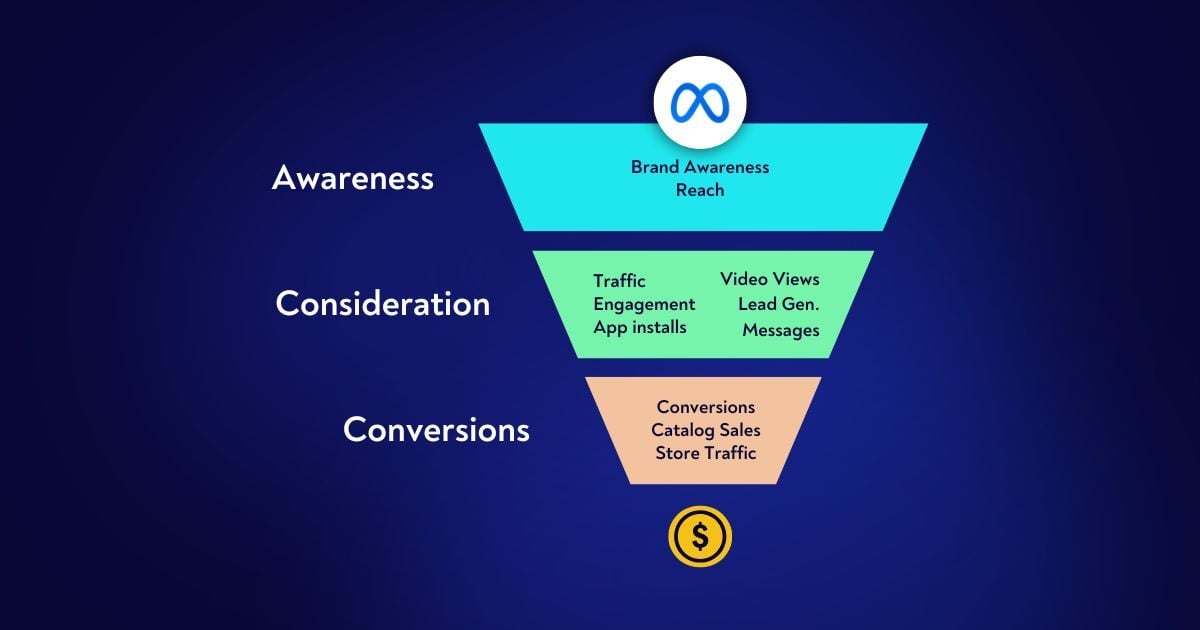
Choosing the correct campaign objective is an important part of advertising. Meta’s current advertising system organizes objectives around broader business goals.
Common objectives include:
- Awareness: Used to increase recognition and reach.
- Traffic: Designed to send people to destinations such as websites or landing pages.
- Engagement: Focuses on interactions and other forms of audience engagement.
- Leads: Helps businesses collect information from potential customers.
- App Promotion: Designed to encourage app-related actions.
- Sales: Focuses on generating purchases or other conversion actions.
The objective should be selected according to what the business wants to achieve rather than simply choosing the most popular option.
Benefits of Facebook Meta Advertising
1. Targeted Advertising
Meta advertising provides several audience-targeting options. Businesses can focus their campaigns on relevant groups instead of communicating with an entirely broad audience.
2. Wide Audience Reach
Facebook and Instagram have large user bases, giving businesses opportunities to reach potential customers across different markets.
3. Flexible Budget
Businesses can start with a budget suitable for their marketing plan and adjust spending based on campaign performance.
4. Multiple Creative Formats
Advertisers can use images, videos, carousels, Stories, and Reels. This provides flexibility when developing creative campaigns.
5. Performance Tracking
Ads Manager provides reporting tools that help advertisers understand how campaigns are performing. This information can support future campaign improvements.
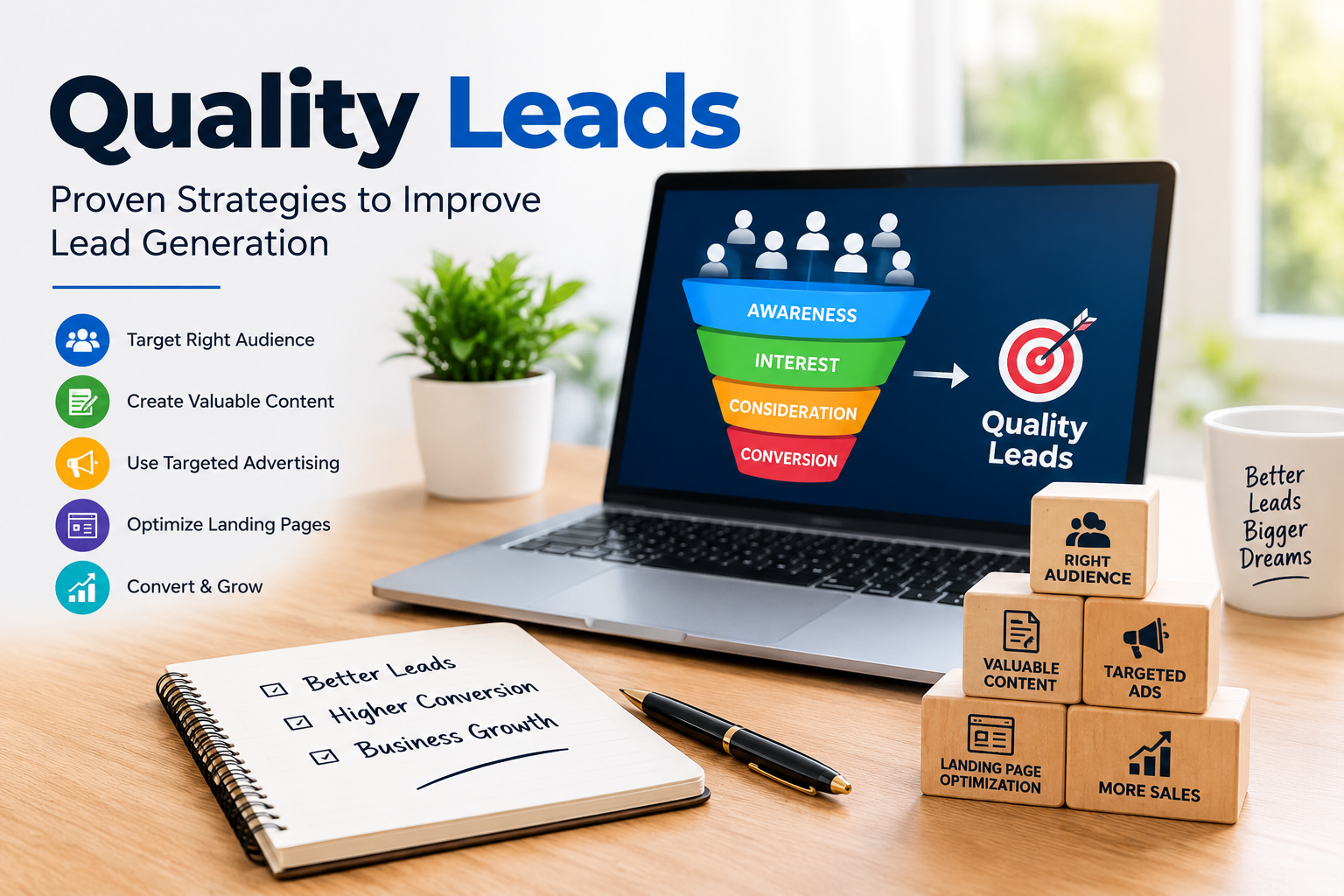
6. Lead Generation
Businesses that need customer inquiries can use lead-focused campaigns to collect information from interested users.
7. Remarketing Opportunities
Businesses can reconnect with people who have previously interacted with their website, social media content, or other business assets when appropriate tracking and audience eligibility requirements are met.
Important Meta Ads Metrics
Understanding advertising metrics is essential for evaluating campaign performance.
Reach refers to the number of people who saw an advertisement.
Impressions represent the number of times an advertisement was displayed.
CTR (Click-Through Rate) indicates the percentage of impressions that resulted in clicks.
CPC (Cost Per Click) shows the average cost associated with each click.
CPM (Cost Per 1,000 Impressions) represents the cost of obtaining 1,000 ad impressions.
CPL (Cost Per Lead) measures the average cost of generating a lead.
Conversion Rate shows how frequently users complete a desired action after reaching the relevant destination.
These metrics should be considered together because one metric alone does not always explain the complete campaign performance.
Best Practices for Facebook Meta Advertising
To create better campaigns, businesses should focus on clear objectives and useful creative content.
First, understand the target audience and create messaging that addresses its needs. Second, use high-quality images or videos that communicate the main message quickly. Third, write simple and relevant ad copy with a clear call-to-action.
It is also useful to test different creatives, audiences, and messages. Comparing results can help identify which combinations perform better for a specific campaign.
Advertisers should regularly monitor campaign data rather than making decisions based only on initial results. Performance can change over time as audience behavior, competition, creative fatigue, and other factors change.