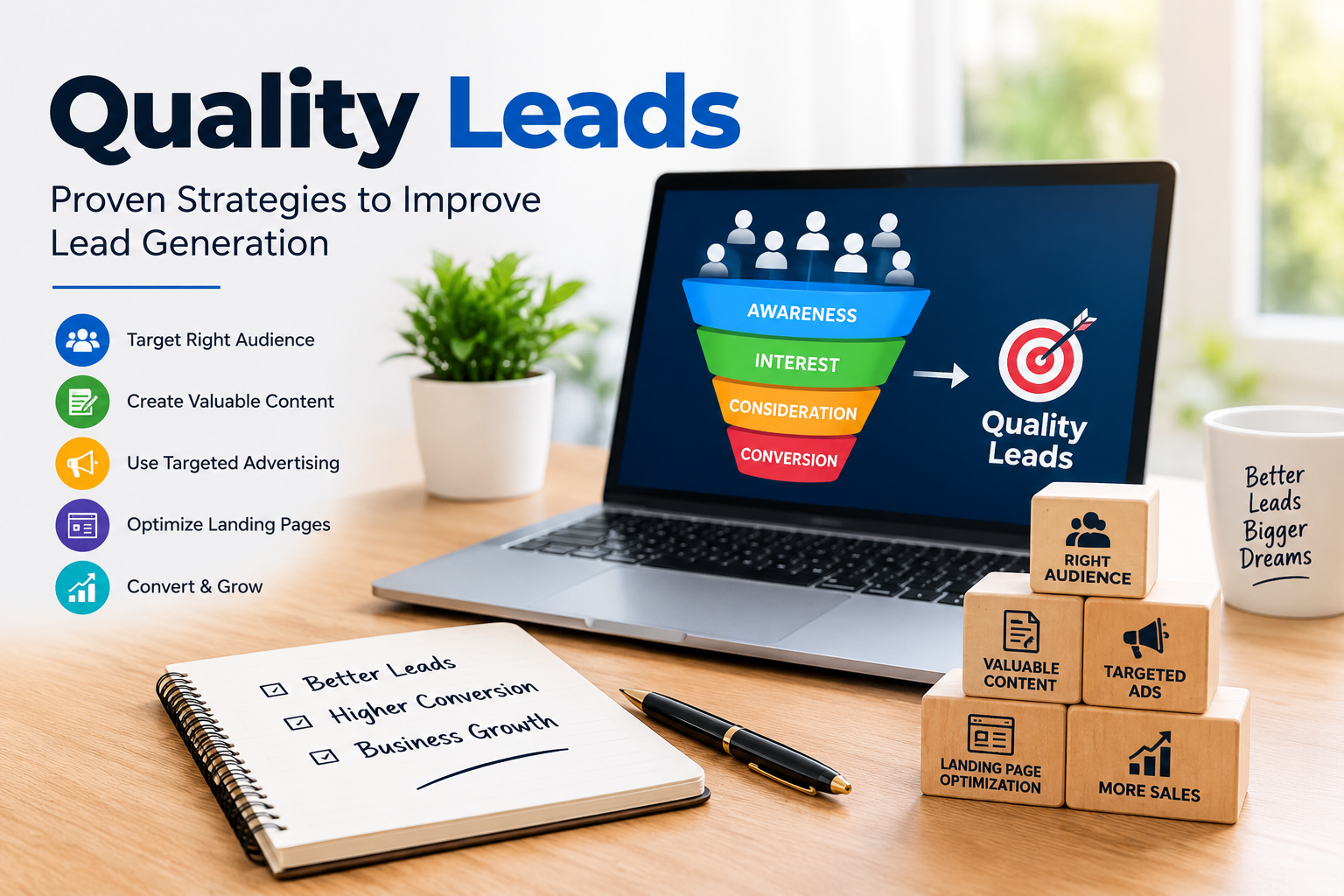
In today’s competitive digital market, getting a large number of leads is not enough. Businesses need quality leads—people who are genuinely interested in their products or services and have a higher chance of becoming customers. Quality lead generation helps businesses save time, improve conversion rates, and achieve better returns from their marketing investment.
Whether you are a small business, an e-commerce company, a service provider, or a growing startup, focusing on quality leads can make your marketing strategy more effective.
What Are Quality Leads?
Quality leads are potential customers who have a genuine interest in a product or service and are more likely to take the next step, such as requesting information, making a purchase, booking a service, or contacting a business.
For example, if a digital marketing agency receives 100 inquiries but only 10 people are genuinely interested in purchasing its services, those 10 prospects can be considered more valuable leads than the remaining inquiries.
Quality leads are generally identified by factors such as:
- Genuine interest in the product or service
- Relevant customer requirements
- Suitable budget
- Appropriate location or target market
- Purchase intention
- Engagement with the business
Why Are Quality Leads Important?
Generating quality leads is important because it focuses marketing efforts on potential customers who are more relevant to the business.
1. Higher Conversion Rates
When leads are genuinely interested in an offer, they are more likely to become customers. This can improve the overall conversion rate of a marketing campaign.
2. Better Use of Marketing Budget
Businesses spend money on advertising, content, social media, and other marketing activities. Targeting relevant audiences can help reduce wasted spending on people who have little interest in the offer.
3. Saves Sales Team Time
Sales teams can spend a significant amount of time following up with leads. Quality leads allow sales representatives to focus more attention on prospects who are more likely to move forward.
4. Improves Customer Acquisition
A consistent flow of relevant leads can support a stronger customer acquisition process and help businesses build a predictable sales pipeline.
5. Better Return on Investment
When marketing generates leads that are more likely to convert, businesses can potentially achieve better returns from their marketing investment.
Proven Strategies to Generate Quality Leads
Generating quality leads requires the right combination of targeting, content, advertising, landing pages, and follow-up.
1. Define Your Target Audience
The first step is understanding exactly who your ideal customer is. Identify factors such as age group, location, interests, profession, needs, purchasing behavior, and problems.
A clearly defined audience helps businesses create more relevant campaigns and avoid reaching people who are unlikely to become customers.
2. Create Valuable Content
Content marketing can attract people who are actively searching for information related to your product or service.
Businesses can create:
- Blog posts
- Videos
- Guides
- Case studies
- Social media posts
- Infographics
- Educational content
Useful content can build trust and encourage visitors to take action.
3. Use Targeted Advertising
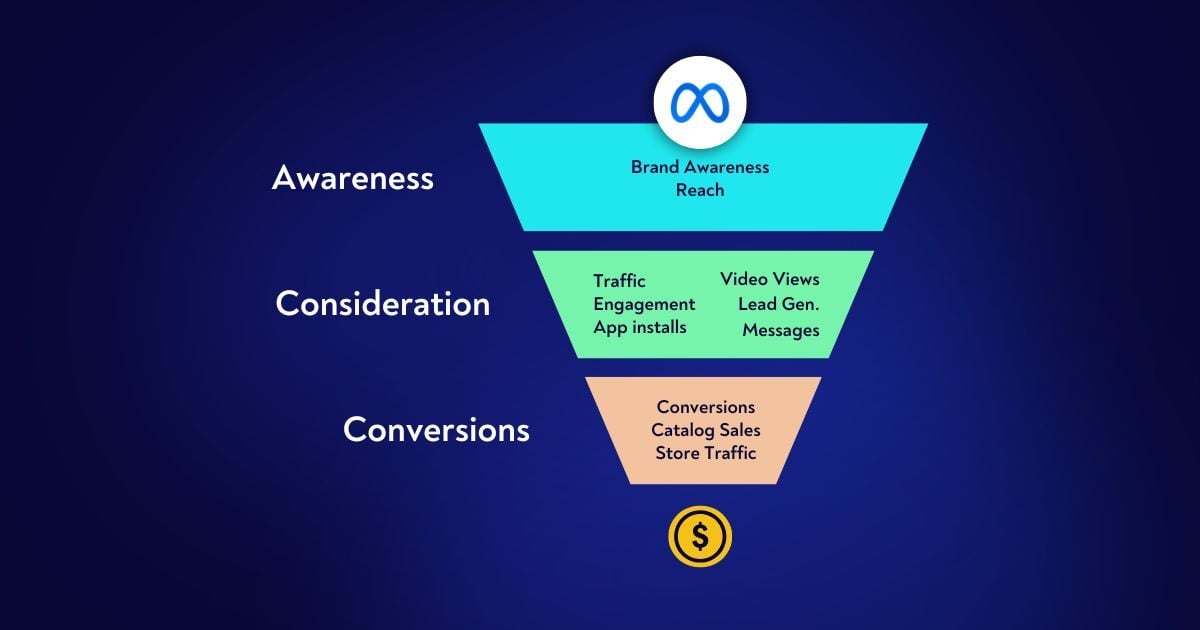
Platforms such as Meta Ads and Google Ads allow businesses to reach specific audiences based on different targeting signals and campaign objectives.
Instead of simply trying to generate the highest possible number of leads, businesses should focus on reaching people who are relevant to the offer.
For example, a local coaching institute can target people within its service area rather than showing advertisements to an unrelated audience.
4. Build an Effective Landing Page
A landing page plays an important role in lead generation. It should clearly explain what the business offers and what the visitor should do next.
An effective landing page can include:
- Clear headline
- Strong value proposition
- Short and simple information
- Relevant images or videos
- Customer benefits
- Trust elements
- Clear call-to-action
- Simple lead form
Avoid asking for unnecessary information in the form because a complicated form may discourage visitors from submitting their details.
5. Use Strong Calls-to-Action
A call-to-action tells visitors what to do next. Examples include:
- Get a Free Consultation
- Request a Quote
- Book a Demo
- Contact Us
- Get More Information
- Download the Guide
The CTA should be clear, relevant, and easy to understand.
6. Optimize Lead Forms
Lead forms should collect information that helps the business understand and qualify prospects. Depending on the business, useful information may include name, phone number, email, location, service requirement, or budget range.
However, businesses should balance lead qualification with user convenience. Asking too many questions can reduce form completion.
7. Qualify Leads
Not every lead has the same value. Lead qualification helps businesses identify which prospects are most relevant.
Businesses can qualify leads based on:
- Need
- Budget
- Location
- Purchase timeline
- Product int